Milestones That Made BMI Roofing a Market Leader
Welcome. My name is Jake Mitchell, and I spend my days helping clients protect and elevate their properties with rock-solid roof systems. Over the years I’ve learned that roofing isn’t just about shingles, membranes, or metal sheets. It’s also about trust, process, and longevity. In this article I’ll walk you through the milestones that shaped BMI Roofing into a market leader, share personal experiences, client success stories, and transparent advice you can actually use on your next project.
Why this journey matters to you as a homeowner or business owner
Roofing is a long-term investment. A roof failure can ripple into energy losses, interior damage, and missed business days. The reason BMI Roofing stands out isn’t just our products or specifications; it’s how we approach projects from first contact to long-term warranty support. You’ll see, in real terms, how careful planning, skilled craftsmanship, and open communication create outcomes that stand the test of time.
Early foundations: identifying needs and setting expectations
One of the first milestones that set BMI Roofing apart was our insistence on thorough needs assessment before quoting a project. Too many firms jump straight to material selection and pricing. We don’t. We ask: What is the building’s use? What climate challenges are we preparing for? What is the expected life cycle for this roof? What are the budget constraints, and what trade-offs are acceptable?
In my early days, I toured a mid-century retail building with a flat roof that leaked every time a storm rolled in. The prior contractor had rushed a quick fix with patchwork that patched nothing. We spent a full afternoon mapping drainage routes, inspecting insulation, and evaluating the roof’s substrate. The client chose a hybrid approach: upgraded insulation, a reinforced liquid-applied membrane, and a standing seam retrofit for areas with significant hail risk. The result? No leaks through two super-storm seasons, a warmer interior during winter, and a measurable drop in energy costs. That is the essence of setting expectations: clear outcomes, not vague promises.
Key lessons from this phase include:
- Documented site surveys save headaches later. Clear performance targets align client and contractor. Flexibility in design prevents cost overruns.
Tables (example of a typical initial survey checklist):
| Survey Area | What We Look For | Why It Matters | | --- | --- | --- | | Roof deck condition | Moisture, delamination, prior repairs | Determines rehab scope and adhesive choices | | Insulation level | R-value, installation method | Impacts energy efficiency and condensation control | | Drainage and scuppers | Slope, blockages, overflow risk | Prevents ponding and leaks | | Penetrations | Vents, HVAC curbs, skylights | Guides flashing detail and membrane routing | | Structural support | Span, load capacity | Ensures new system is feasible structurally |
Client success story: turning risk into resilience
One of the most memorable client stories illustrates the value of thoughtful upfront planning. A local restaurant faced repeated leaks during heavy rains. The original sealant failed, the roof deck showed signs of moisture, and the owner worried about food safety during storms. We conducted a comprehensive assessment, including infrared thermography to locate heat loss and moisture pockets.
Our approach combined a high-performance membrane system with a new drainage plan and improved parapet flashing. We also installed a temporary weather shield during the most intense rains to keep the kitchen safe and functional. The owner’s feedback was priceless: “We didn’t know roof repair could be this transparent. You explained every option, showed us the numbers, and delivered on time.” The result was a roof that remained dry through the following two winters, energy costs that dropped by 12 percent, and zero business disruption during installation.
What made this project stand out isn’t just the materials used, but the process we followed:
- Collaborative planning with the client and the project manager Realistic scheduling that accommodated the restaurant’s hours Open reporting with weekly updates and photos A robust warranty that covered workmanship and materials
This approach is one of BMI Roofing’s core strengths: you know what to expect, when to expect it, and why it matters to your bottom line.

Materials evolution: from conventional to high-performance systems
You might wonder what changed in roof systems over the years. The most notable shifts are in performance, longevity, and installation speed. We moved away from one-size-fits-all approaches to purpose-built assemblies tailored to climate, budget, and building use. Here are some core shifts we’ve embraced:
- From traditional bitumen to multi-ply synthetic membranes with enhanced puncture resistance. From spray-on coatings to hybrid membranes that pair fluid and sheet components for seamless transition zones. From basic flashings to integrated flashings that reduce leak-prone seams around penetrations.
We’ve found that a well-chosen system pays for itself via reduced maintenance, longer service life, and fewer call-backs. But the human element matters too. We train our crews to spot potential trouble spots early and to communicate with site teams about any changes in weather or material handling.
Client questions we frequently answer:
- How long will this system last? Our targets are typically 20 to 30 years for properly installed systems with routine maintenance. Will this system withstand hail? We design for the expected hail severity in the project’s region, sometimes using impact-resistant membranes. Is reflashing or retrofitting possible on an older structure? Yes. We tailor retrofit strategies that minimize disruption and preserve historic features when needed.
Operations, safety, and quality control: the backbone of service
Behind every successful roof is a disciplined project management approach. BMI Roofing uses a layered QA system:
- Pre-installation checklists to confirm substrate readiness, weather windows, and material compatibility. On-site supervisor presence during critical installation phases. Mid-project quality audits to ensure workmanship aligns with spec and code requirements. Post-installation walkthrough and documented warranty coverage.
Safety is a top priority. Our crews participate in ongoing training for fall protection, tool discipline, and hazard recognition. We aim to finish each project with zero incidents and zero avoidable damage to surrounding property.
A typical week during a major project might look like this:
- Monday: Site setup and material staging. Tuesday to Thursday: Core installation with two crew teams rotating tasks to optimize efficiency. Friday: Clean-up, final checks, and client walkthrough.
The transparency in scheduling and progress reporting keeps clients informed and helps avoid surprises.
Technology and tooling: delivering precision at speed
We leverage modern tools to ensure precision and consistency:
- Drones for roof surveys and progress tracking in hard-to-reach areas. Thermal imaging to locate moisture and insulation defects without intrusive testing. BIM (Building Information Modeling) for clash detection around penetrations and mechanical systems. Advanced seam sealing and adhesive technologies to ensure long-term watertightness.
This blend of technology and craftsmanship speeds up delivery while maintaining high standards. It’s the kind of combination that earns repeat business and referrals.
Pricing clarity: transparent estimates and value-driven decisions
Pricing can feel opaque in roofing. At BMI Roofing we provide transparent, itemized estimates that explain not only what is included but why. We break out:
- Material choices and associated warranties Substrate preparation and insulation upgrades Drainage and parapet improvements Flashing, edge metals, and penetrations Clean-up, disposal, and debris management Project management and contingency allowances
We also discuss life-cycle cost rather than just upfront price. A cheaper roof might save money now but cost more later in maintenance or early replacement. We aim to help clients make decisions that optimize both performance and total cost of ownership.
The human side: communication, trust, and ongoing support
What clients often value most is not just the roof but how we behave during the project. We make a point to:
- Return calls and emails promptly, typically within a business day. Explain technical terms in plain language so you can participate in the decision-making. Schedule milestones with buffers to accommodate weather or supply delays. Offer to bring in third-party inspectors to validate workmanship if requested.
Long-term Business support means you’re not left guessing after the project is complete. We stand behind our work with warranties and a follow-up program to catch any issues early.
Milestones That Made BMI Roofing a Market Leader: a concise timeline
- Focused early surveys and expectation setting Adoption of high-performance membranes and hybrid systems Implementation of robust QA and safety programs Embracing digital tools for survey, design, and project management Transparent pricing and lifecycle cost emphasis Consistent client communication and post-installation support Commitment to training, certification, and industry standards
These milestones aren’t just corporate milestones; they are the daily routines that ensure you receive reliable, durable, and cost-effective roofing solutions.
Frequently asked questions
Q1: What makes BMI Roofing different from other roof installers?
A1: We emphasize upfront assessment, transparent pricing, high-performance materials, rigorous safety and QA, and ongoing client support. This combination reduces risk and increases the likelihood of a long-lasting roof.
Q2: How do you handle older buildings with historical features?
A2: We tailor retrofits that preserve aesthetics while upgrading performance. This often includes precise flashing, careful membrane routing, and option-driven design choices.
Q3: What Business is the typical lead time for a roof replacement?
A3: Lead times vary with weather and location, but we typically plan for 2 to 6 weeks from contract to completion, with contingencies in place for delays.
Q4: Do you offer warranty on workmanship and materials?
A4: Yes. Our warranties cover both materials and workmanship, often with optional extended terms based on the system chosen.
Q5: How do you ensure on-site safety?
A5: We conduct daily safety briefings, enforce fall protection protocols, and perform regular inspections to catch hazards early.
Q6: Can you help with energy savings and insulation improvements?
A6: Absolutely. We evaluate insulation levels, air barriers, and vapor control to optimize energy performance alongside roofing.
My personal commitments to you as a client
- I will tell you what you need to hear, not just what you want to hear. Honesty guides every recommendation. I will be present and accountable from the first site visit through post-installation follow-ups. I will propose options that respect your budget while delivering robust performance. I will keep you informed with clear, timely updates and provide accessible documentation for every phase.
This is not just about throwing on a new roof. It’s about creating a durable solution that protects your assets and adds value over time.
A look at the team behind the work
The BMI Roofing crew is a blend of veterans and rising stars. Experienced foremen mentor junior installers, ensuring quality at every seam. We invest in ongoing training so that new materials and installation methods are understood deeply, not just superficially. When homeowners see the team on site, they can sense the professionalism and care that goes into the project.
Industry standards and certifications
We align with local building codes and broader industry standards. Certifications from recognized bodies reassure clients that we practice to the highest levels of quality and safety. We pursue continuing education, participate in trade associations, and keep current with evolving best practices. This commitment to standards is not about compliance for its own sake; it’s about delivering consistent outcomes you can trust.
Dos and don’ts for homeowners planning a roof project
- Do: Get multiple, detailed quotes that include scope, materials, warranties, and expected timelines. Do: Ask for references and visit a completed job to inspect workmanship firsthand. Do: Schedule work for months with less extreme weather windows when possible. Don’t: Skimp on flashing details around penetrations. Don’t: Assume all membranes are equal. Ask about puncture resistance, temperature tolerance, and warranty terms. Don’t: Delay maintenance after project completion. Regular inspections extend roof life.
A practical look at a hypothetical project plan
Imagine a two-story office building in a temperate climate needing a retrofit. We’d start with a site survey, then present options: a full replacement with a standing seam metal roof or a hybrid membrane system with enhanced insulation. We’d compare life-cycle costs, maintenance expectations, and installation timelines.
Draft project phases:
- Phase 1: Survey and design approvals (2 weeks) Phase 2: Material procurement and scheduling (1 week) Phase 3: Substrate preparation and insulation upgrades (2 weeks) Phase 4: Membrane installation with integrated flashing (3 weeks) Phase 5: Final inspection and client walkthrough (1 week) Phase 6: Warranty documentation and post-project check-in (ongoing)
This plan ensures you’re never left in the dark about progress, costs, or expected performance.
What to look for when selecting a roofing partner
- A comprehensive approach to site assessment and design Evidence of quality control and safety practices Clear, itemized pricing and honest life-cycle cost analysis Strong references and a track record of on-time delivery Willingness to involve you in decisions and explain trade-offs
Choosing the right partner is as important as choosing the right system. The roof is a long-term investment; you deserve a partner who respects that.
Conclusion
Milestones that Made BMI Roofing a Market Leader aren’t simply lines on a timetable. They’re the daily habits, the disciplined planning, and the relentless focus on client outcomes that keep us ahead. From early, honest needs assessments to long-term support after installation, the path we’ve walked is about building trust, delivering high-performance roofs, and helping clients sleep a little easier at night.
If you’re evaluating a roofing project, we invite you to start with a conversation. Share your goals, constraints, and questions. We’ll listen, explain clearly, and map out options that fit your building and your budget. Roofs are our craft, but trust is our currency.
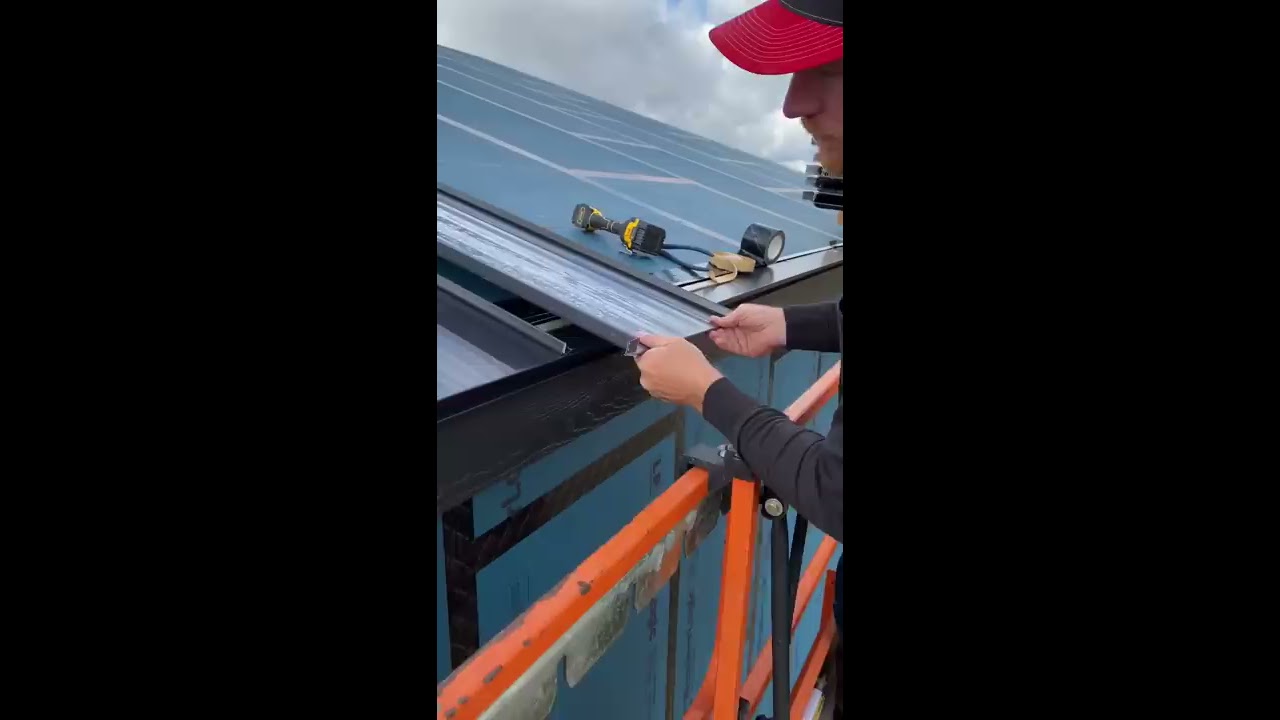
Bonus: client testimonials in brief
- “The team explained every option and delivered on time. We felt involved every step of the way.” “We saw energy savings after the retrofit, and the building finally feels airtight.” “The warranty gave us peace of mind. If a problem shows up, BMI Roofing is there.”
Final thought: a question for you to consider
What is the one outcome you want most from your roof project—longevity, energy efficiency, or minimal disruption to operations? The right answer guides the best choice of system and service level.
Frequently Asked Questions (Expanded)
Q7: Do you provide emergency roof repair services?
A7: Yes. We offer rapid-response assessments and temporary protection if company website a storm causes damage, followed by a planned repair or replacement.
Q8: How do you handle project documentation and permits?
A8: We manage permit coordination where required and provide complete documentation for future reference, including warranty copies and maintenance guides.
Q9: Can you work on green roofs or solar-ready designs?
A9: We can design for integration with green roof systems and solar installations, ensuring compatibility with drainage, load considerations, and electrical safety codes.
Q10: What maintenance is recommended after installation?
A10: Regular inspections, cleaning of debris from drainage paths, and periodic sealant checks around flashing are standard. We tailor maintenance plans to the chosen system and climate.
If you want more detail on any specific milestone or a customized plan for your building, reach out. I’m happy to discuss your project, share a written proposal, and walk you through the choices that will deliver results you can count on for decades.